Application of CNC Machining in the Production of Durable Door Components
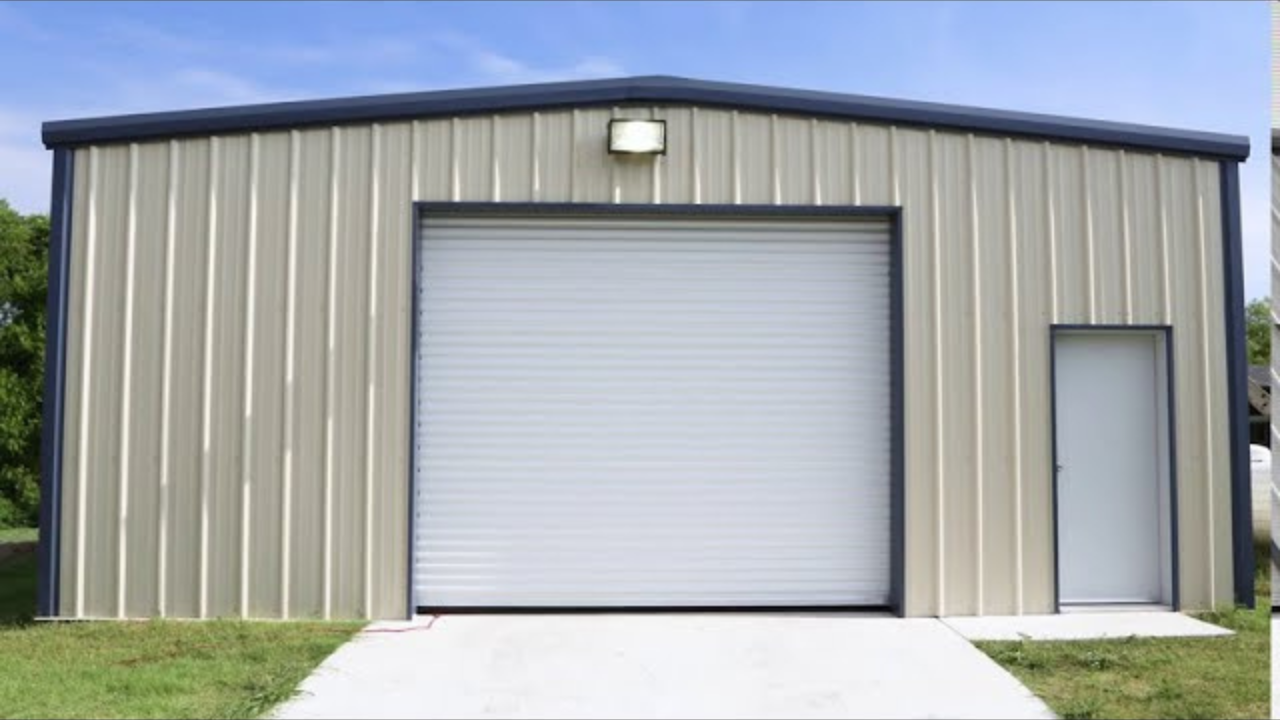
Precision, durability, and efficiency are the current factors that define the quality of finished products in the modern manufacturing industry. This especially applies in the manufacturing of roll-up door components applied in self-storage centers, commercial warehouses, and industrial buildings. Computer Numerical Control (CNC) machining has become a revolution that has helped manufacturers to manufacture very durable, precise, and reliable components. The importance of CNC machining in the process of producing overhead roll up door parts cannot be overrated because it guarantees high quality, long life of the product, and the most effective work.
Precision and Consistency
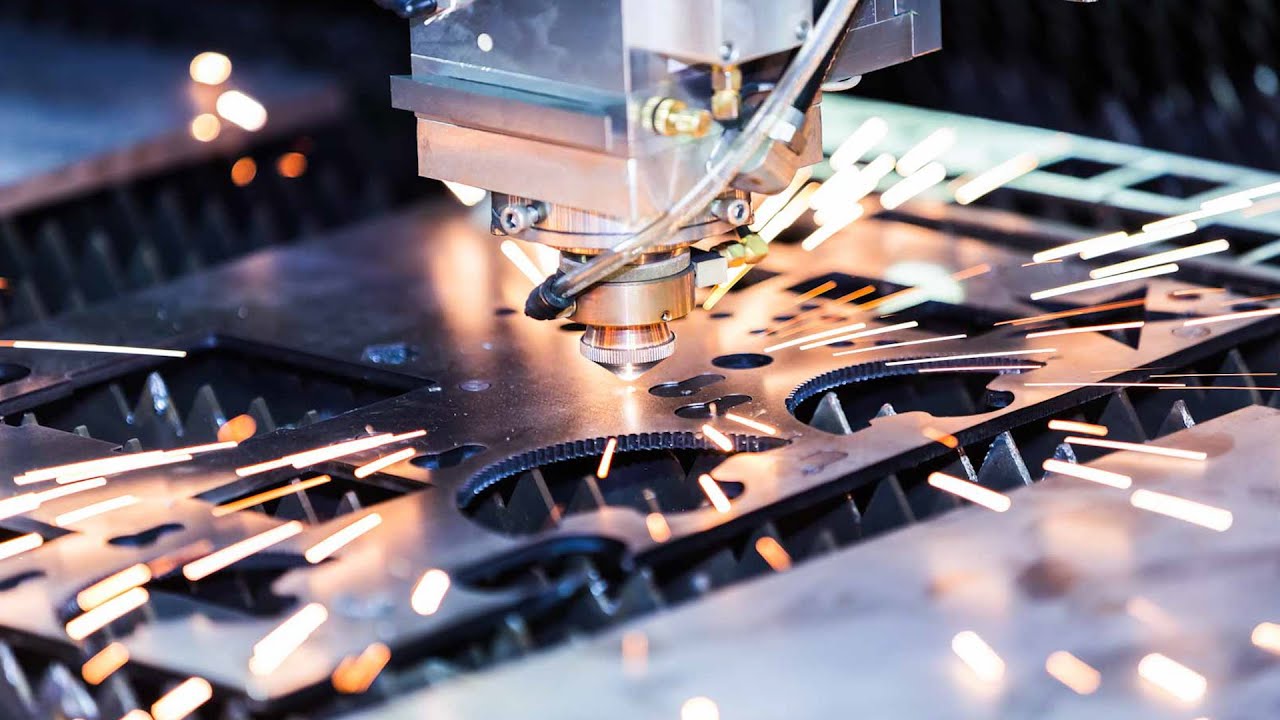
The amount of precision provided by CNC machining is one of the biggest benefits of the technique to use in the production of door parts. The parts that include torsion springs, drum wheels, support brackets, and latches must have precise requirements in order to operate properly in a roll-up door system. CNC machines involve controlled operations by computers to cut, shape, and form materials with great accuracy. This accuracy means that all components are perfectly fitting and operational failures and wear are less likely to occur. Contrary to manual machining that was in use, CNC technology enables the manufacturer to make large volumes of parts with uniform quality without any differences that may interfere with the performance of the door.
Durability Based on High-Tech Material Processing
The self-storage and commercial doors will require strong door components that will make them safe and functional. CNC machining has helped manufacturers to deal with a great range of high-strength materials, including steel, aluminum, and special alloys. The CNC machines are capable of cutting the material very accurately, regulating the cutting speeds, feed rate, and tool paths, which do not corner the material and do not cause stress to the material, but instead preserve the structural integrity of the material. Components produced under CNC machining are of a higher tensile strength, surface finish, and wear and corrosion resistance. These characteristics translate to longer service times of doors, which require fewer services and would provide a good performance regardless of frequent use.
Designs and Modifications
The roll-up doors are characterized by parts of a geometrically complex and tight-tolerance nature. CNC machining also enables manufacturers to make complex designs that would have been hard or even impossible to make through traditional methods. As a case in point, numerous mounting points of support brackets, single-shaped latches, or drum wheels fitted with bearings can be made to be highly precise and consistent.
Minimizing Wastes
Manufacturing efficiency is strongly coupled with the usage of material, the speed of production, and the avoidance of errors. CNC machining is very productive as it has a minimized cutting path, and material wastage is minimized. The human factor errors are minimized by computer-controlled operations, and therefore, the components are produced the first time in the right way. This accuracy leads to the saving of raw materials as well as the minimization of the cost sustained in production.
Quality Assurance and Reliability
It is the elements of consistency and repeatability that define quality assurance in door parts manufacturing. CNC machining also facilitates high-quality control through the manufacture of parts that are precise in specifications. Manufacturers are able to install inspection systems directly into the CNC processes and check dimensions, tolerances, and surface finishes. This guarantees that every part works in the desired manner, which will not affect the performance and safety standards of roll-up doors. Better quality components cut down on the time of operation, cut down on the costs of repair, and increase customer satisfaction. CNC machining is a very important aspect in developing confidence in the product.
Operational Performance Improvement
Very strong, accurately produced components of doors play a great role in the performance of roll-up doors. Components machined using CNC machines are smooth, thus lowering friction, noise, and mechanical damage. The springs stay at the right tension, brackets are faultlessly supported, and the units are secured by latches. CNC-machined components create efficient doors by means of their strength, precision, and consistency, which are effective in thousands of cycles.
Conclusion
The CNC machining is indispensable in the production of the durable roll-up door components. It provides accuracy, standardization, and customization, making sure that the components are of high standards of strength, workability, and efficiency. CNC technology can ensure that manufacturers create door parts that are reliable, long-lasting, and designed to meet the high demands of self-storage and business establishments since it is possible to use advanced materials, minimize waste, and create high-volume productions. The CNC-machined components’ eventual investment in enhancing the performance of the door, decreasing the expenses of its maintenance, and increasing the overall safety, thus making it a pillar of contemporary door production.